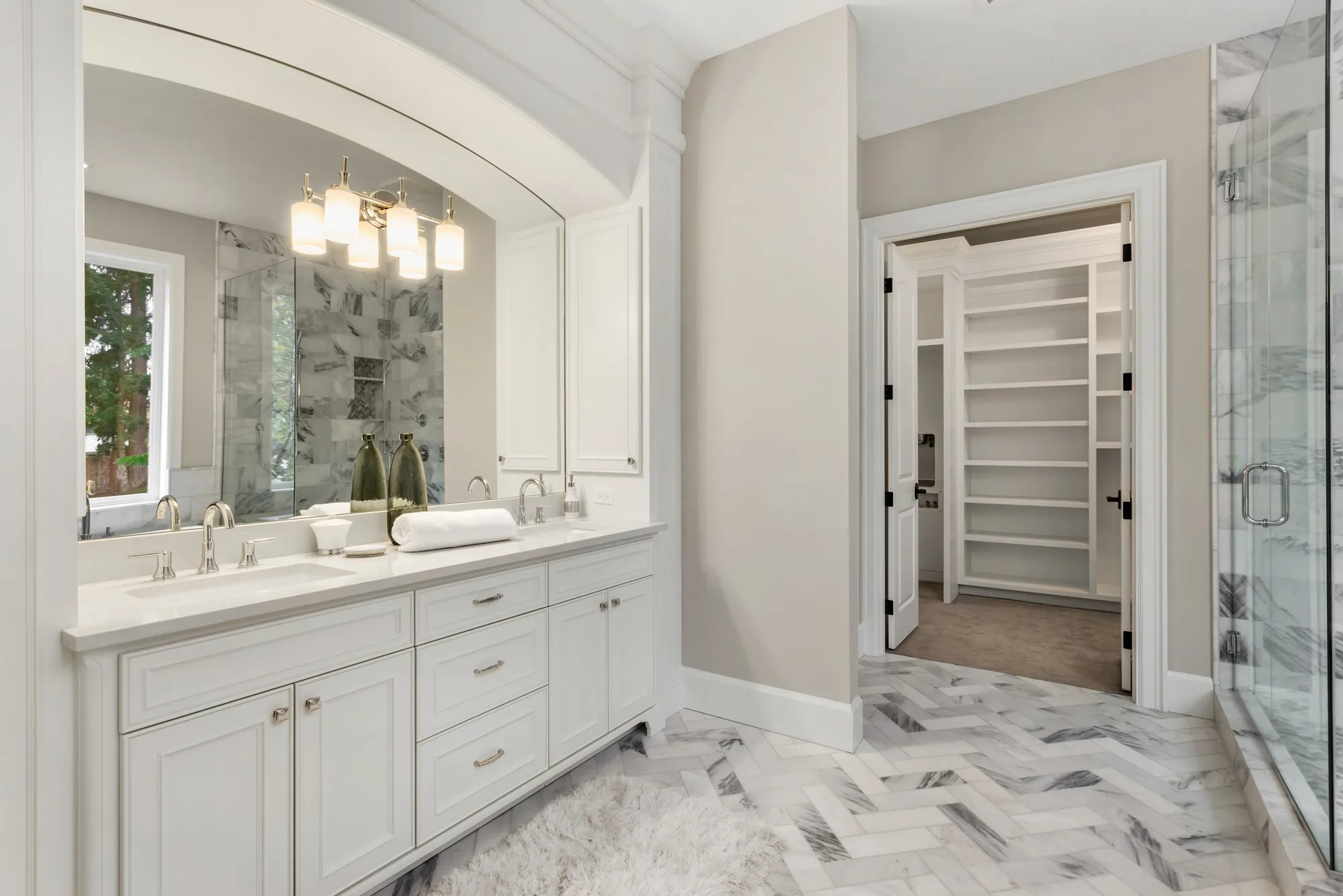
New bathroom remodeling near me Glenview often focus on look—but privacy and acoustics matter too. Shared walls or near living spaces demand thoughtful layout decisions. Here’s how to keep bathrooms comfortable through noise-aware design:
Keeping Speech Private
Sound Transmission Through Stud Walls
Simple studs and thin drywall aren’t enough next to a master suite or adjacent bedroom. Add resilient channels, extra drywall or even quiet insulation to reduce sound bleed.
Fan and Toilet Privacy
Exhaust fans positioned near bedroom walls can carry noise. Opt for quieter fans (below 1.5 sones) and proper ducting. Plus consider sump-toilet insulation pads for soundproofing.
Window Privacy and Light
If windows overlook neighbors, frosted or obscure glass provides separation without sacrificing daylight. Skylights with light-diffusing shades also bring brightness without sightlines.
Floor Vibration
Hard flooring can transmit impact noise. Use cork underlayment or sound-reducing mats to minimize echoes from foot traffic.
Electrical and Mechanical Equipment
Relocate water pump assemblies away from night room or TV area if possible, or use sound-dampening mounts. Noise control in bathroom remodeling contributes as much to comfort as design.
At the end of the day, a gorgeous bathroom remodel won’t feel finished if you can hear every plop from the toilet or drain. Invest early in acoustic layout planning—so your sanctuary feels truly serene.
Creating a beautiful bathroom starts with proper layout decisions—form must follow function. With thoughtful planning and attention to detail (ventilation, accessibility, maintenance, noise, and lighting), your space succeeds in longevity, comfort, and style. Avoid the common mistakes above, work with professionals, and your remodeled bathroom will feel beautiful, practical, and timeless.